
Investigative Op/Ed By Autumn Smith FAFO Justice
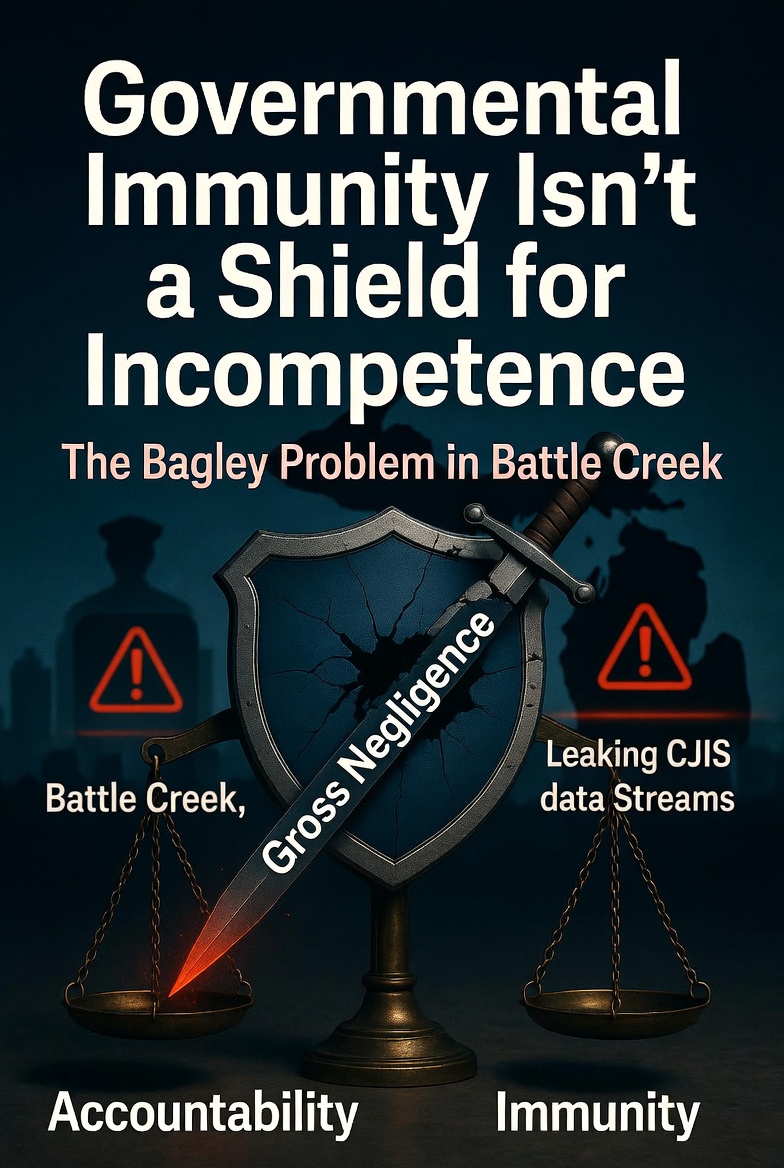
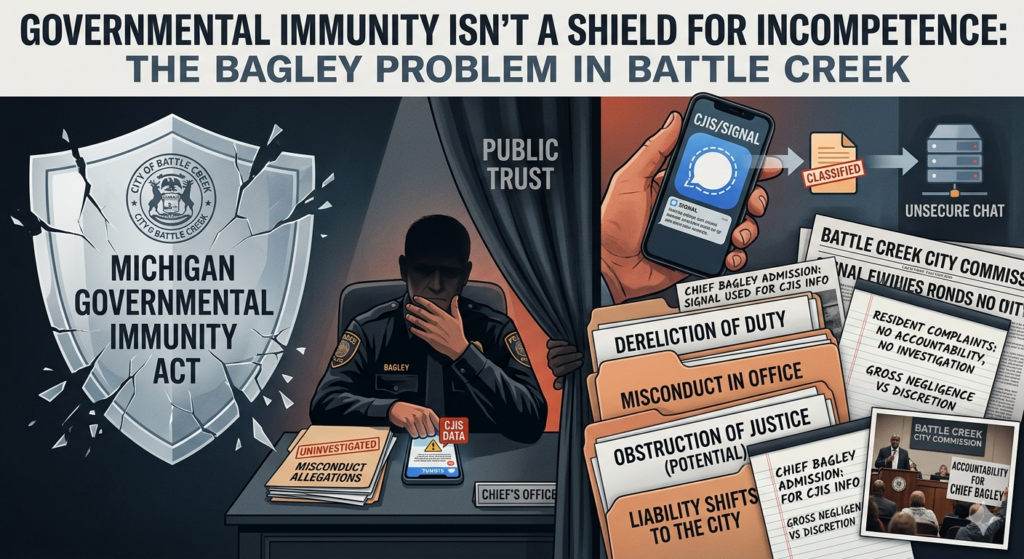
In Michigan, governmental immunity is broad—but it is not absolute. And more importantly, it does not exist to protect public officials from the consequences of gross negligence, willful misconduct, or outright violations of law.
That distinction matters, because the pattern of behavior alleged against Battle Creek Police Chief Shannon Bagley—combined with statements made on the public record—raises a serious question: Is this protected discretion… or unprotected misconduct?
What Governmental Immunity Actually Covers (and What It Doesn’t)
Michigan law generally shields government employees from liability when they are performing discretionary acts within the scope of their authority. But that protection collapses under two key conditions: Gross negligence — conduct so reckless it demonstrates a substantial lack of concern for whether injury results. Willful or wanton misconduct / illegal acts — actions that go beyond poor judgment into knowing violations of law or duty. Even Michigan legal guidance makes clear that immunity disappears when conduct crosses that line, especially where actions are the direct and primary cause of harm or involve reckless disregard for legal obligations . Basically: You can be wrong and still be protected.You cannot be reckless, dishonest, or lawless and hide behind immunity.
The CJIS / Signal Admission: A Bright-Line Problem
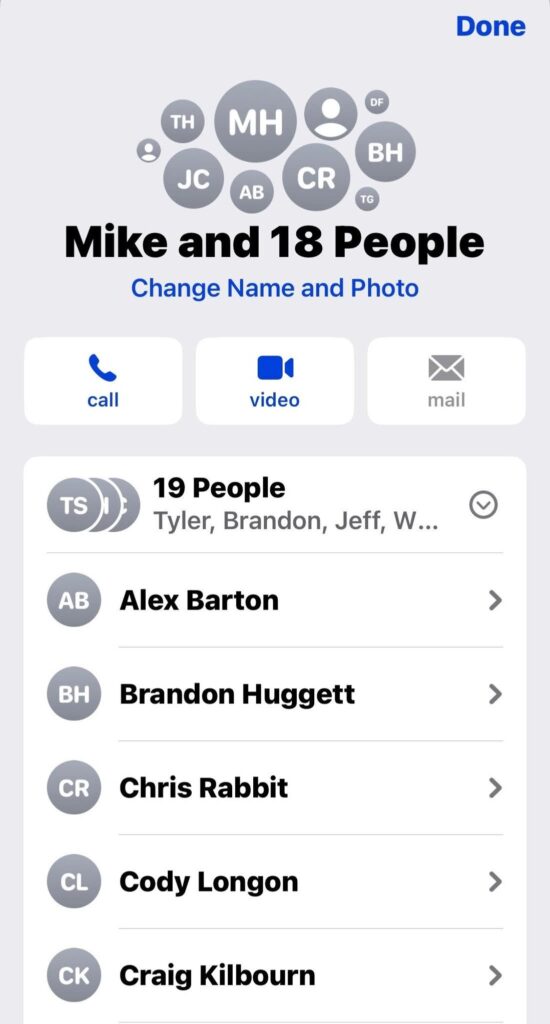
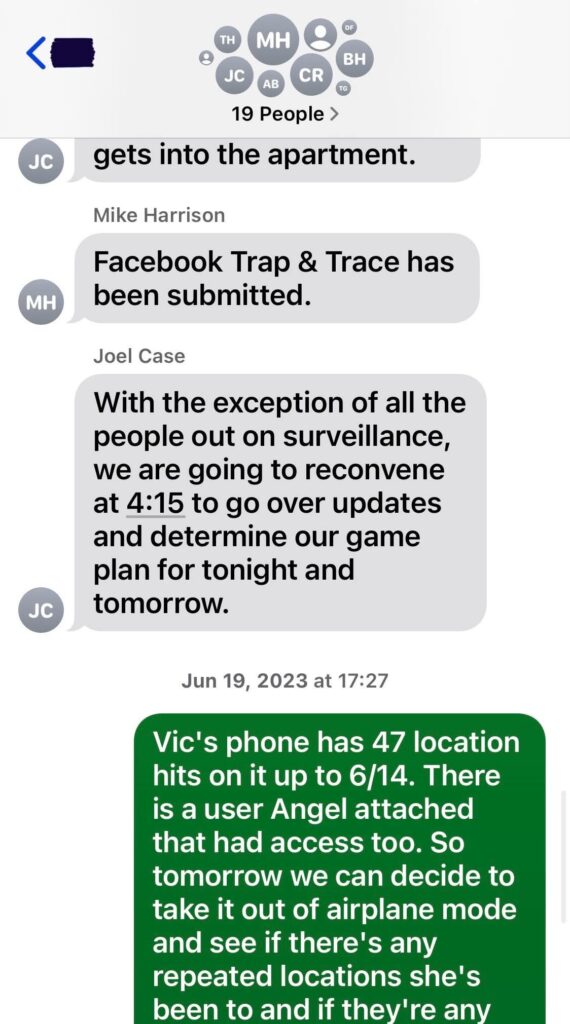
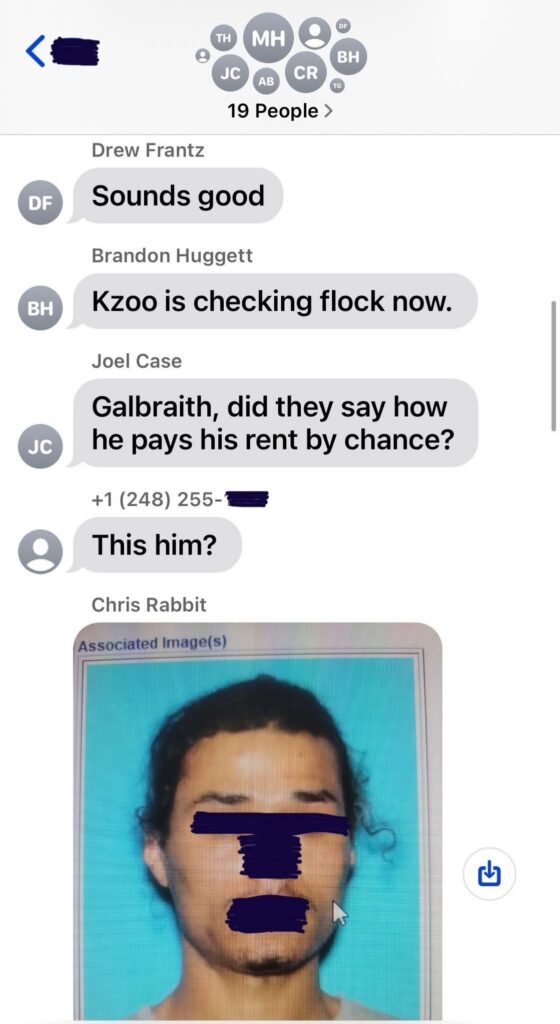
At a June 2025 public meeting, I told the commission at public comment that the chief himself—Bagley—admitted to releasing CJIS-protected law enforcement information over the Signal messaging app. That’s not a gray area. CJIS (Criminal Justice Information Services) rules are governed by strict federal standards. Unauthorized dissemination—even through encrypted apps—can constitute:
•Policy violations

|
Dabble VoIP
Business phone for less |
Get Started - mention FAFO for 10% off |
•Security breaches
•Potential federal compliance issues
Knowingly bypassing CJIS protocols is not a discretionary policing decision. It’s a rules violation. If that admission is accurate, it moves the conduct out of the realm of protected judgment and into potential misconduct.
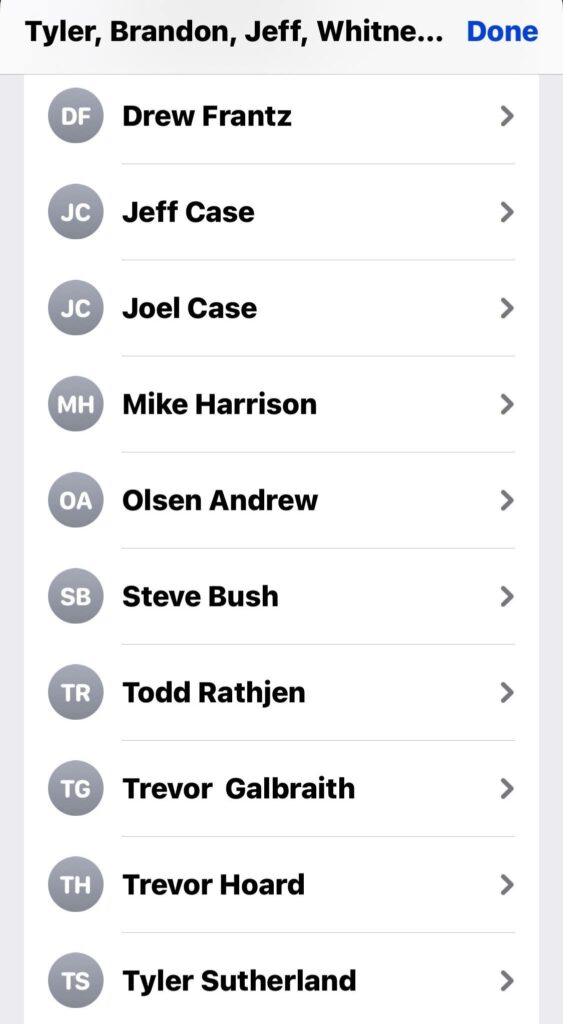
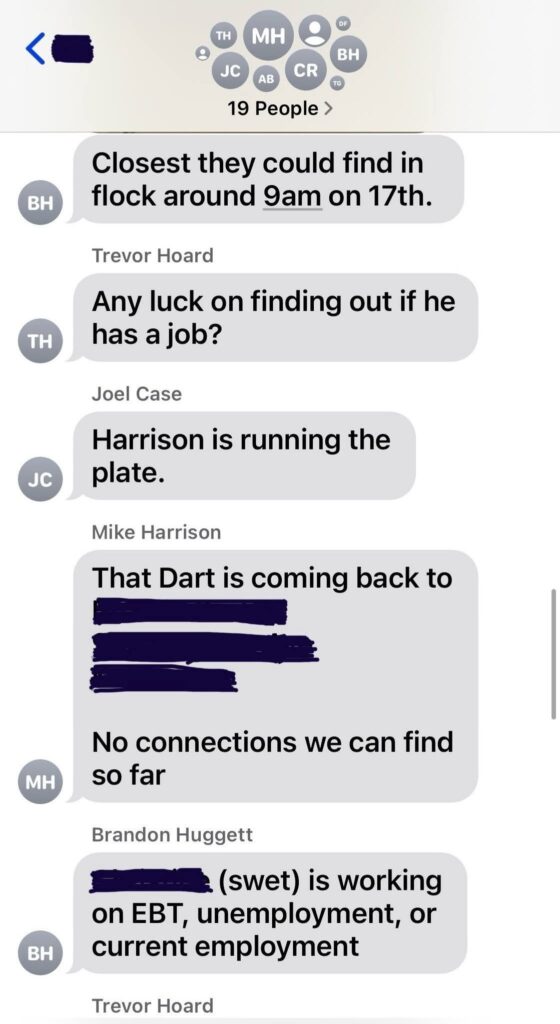
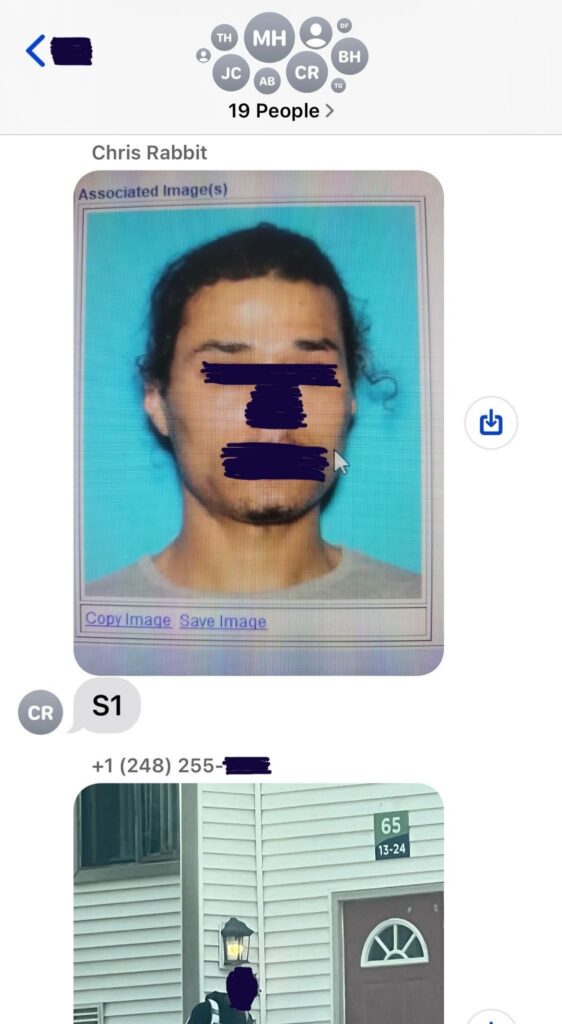
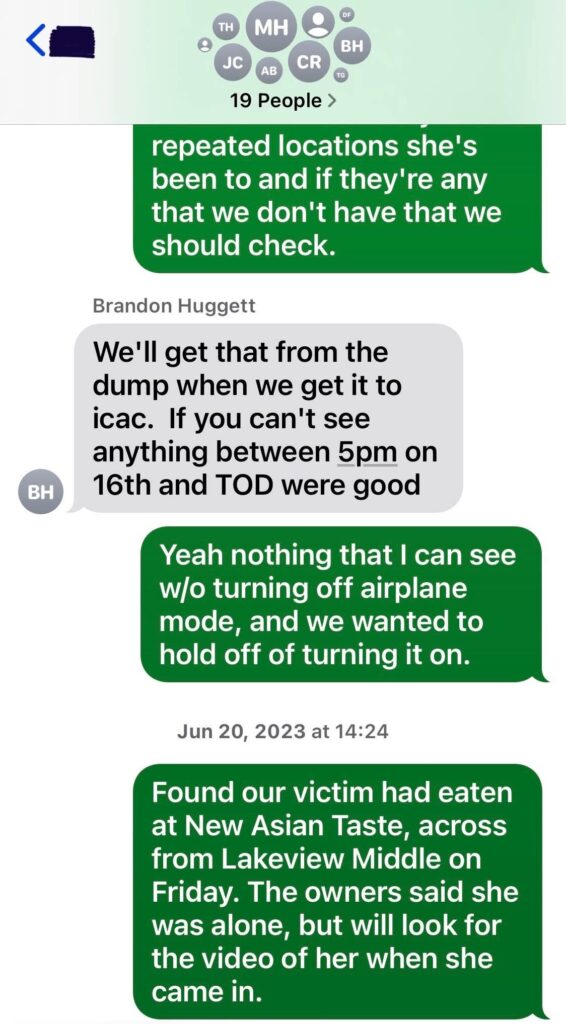
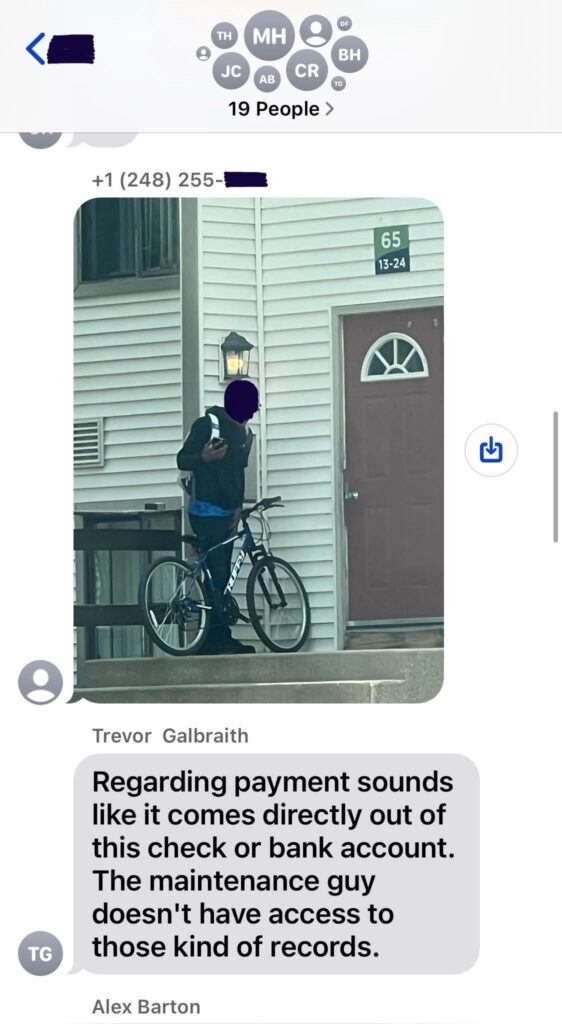
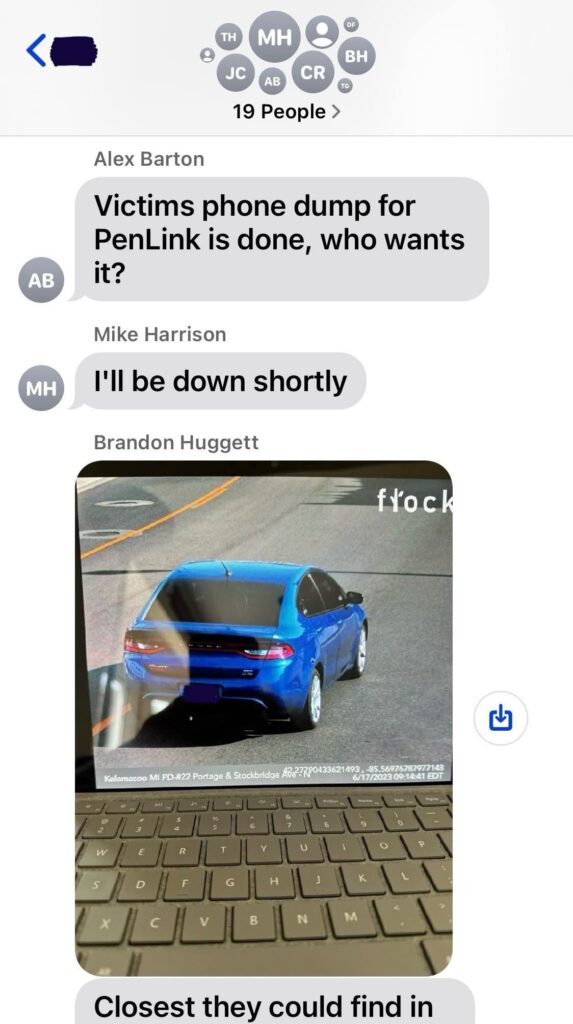
Pictured below are multiple screenshots from Illegal Use of Signal For Police Business By The Battle Creek Police Department. A Direct Felony Federal Offense Under CJIS. (I’ve reported this to the FBI)
Pattern Matters: Not a One-Off Mistake
One allegation alone might be defensible as error. But what’s being described is a pattern of behavior: Dismissing or minimizing serious criminal allegations including a reported multi-jurisdictional sextortion ring. Publicly asserting limitations on jurisdiction that contradict standard law enforcement cooperation practices-as an excuse to not investigate the multi-jurisdictional sextortion ring. Ignoring or deflecting accountability concerns raised by the public. Allegedly mishandling protected law enforcement data-CJIS
Even in the summarized public record, residents described “no discipline, no investigation, no accountability” following these concerns. That pattern is what creates legal exposure. Because courts don’t just look at isolated acts—they look at whether an official’s behavior shows: Reckless disregard for duties, systematic failure to act, intentional avoidance of enforcement obligations.
That’s where immunity starts to erode.
Dereliction, Misconduct, and Possible Obstruction
Based on the behavior described, three legal theories come into play:
Failing to act where there is a clear obligation—especially in serious criminal matters—can qualify as neglect of official responsibilities.
|
Need I.T. Support?
Express IT Solutions — Fast & Reliable. |



|
Get Support |
Policy 320.5.7 EFFICIENCY
a. Neglect of duty.
b. Unsatisfactory work performance including, but not limited to, failure, incompetence, inefficiency
or delay in performing and/or carrying out proper orders, work assignments or the instructions of
supervisors without a reasonable and bona fide excuse.
2. Misconduct in Office MCL 750.505
In Michigan, this is a common-law felony involving:
Corrupt behavior
Abuse of authority
Failure to perform a legal duty
A police chief is not just another employee—they are the final policymaker for law enforcement operations. That raises the stakes significantly.
3. Obstruction of Justice (Potentially)
If actions go beyond inaction and into:
Suppression of investigations
Misrepresentation of jurisdictional authority
Interference with reporting or evidence handling…then the exposure escalates further.
You Don’t Get Immunity for Lying or Being Incompetent
This is the uncomfortable reality for city leadership: If the chief knowingly made false statements about jurisdiction, data handling, or enforcement authority – that’s misconduct. If the chief doesn’t understand those fundamentals → that’s gross incompetence. Neither is protected. Governmental immunity is not a safety net for: Ignoring federal data security rules (CJIS), Misstating basic law enforcement authority, Failing to act on serious criminal conduct.
It exists to protect good-faith decision-making, not institutional failure.
The Bigger Risk: Liability Shifts to the “City” (You The Taxpayer)
Here’s what often gets overlooked-When a chief acts as a final decision-maker, their conduct can expose the municipality itself to liability under federal civil rights law (42 U.S.C. §1983).
And unlike individual immunity, municipal liability:
Does not get the same protections.
Can attach to policies, customs, or deliberate indifference.
That means if this behavior is proven to be tolerated or systemic, the legal risk doesn’t stop with one person—it lands on the entire city. Governmental immunity is not a magic phrase that makes problems disappear. If the allegations and admissions are accurate, the issue isn’t whether Chief Bagley is protected—it’s whether his conduct:
Crosses into gross negligence.
Constitutes misconduct in office.
Or reflects deliberate indifference to legal duties. Because once you’re in that territory, immunity is gone.
And what’s left isn’t a policy debate.
It’s a liability problem.
And haven’t we previously fired multiple city officals for being a liability?