
Battle Creek Police Chief Shannon Bagley Shows Alarming Ignorance on Multi-Jurisdictional Law Enforcement

FAFO Justice Investigative Op/Ed By Autumn Smith
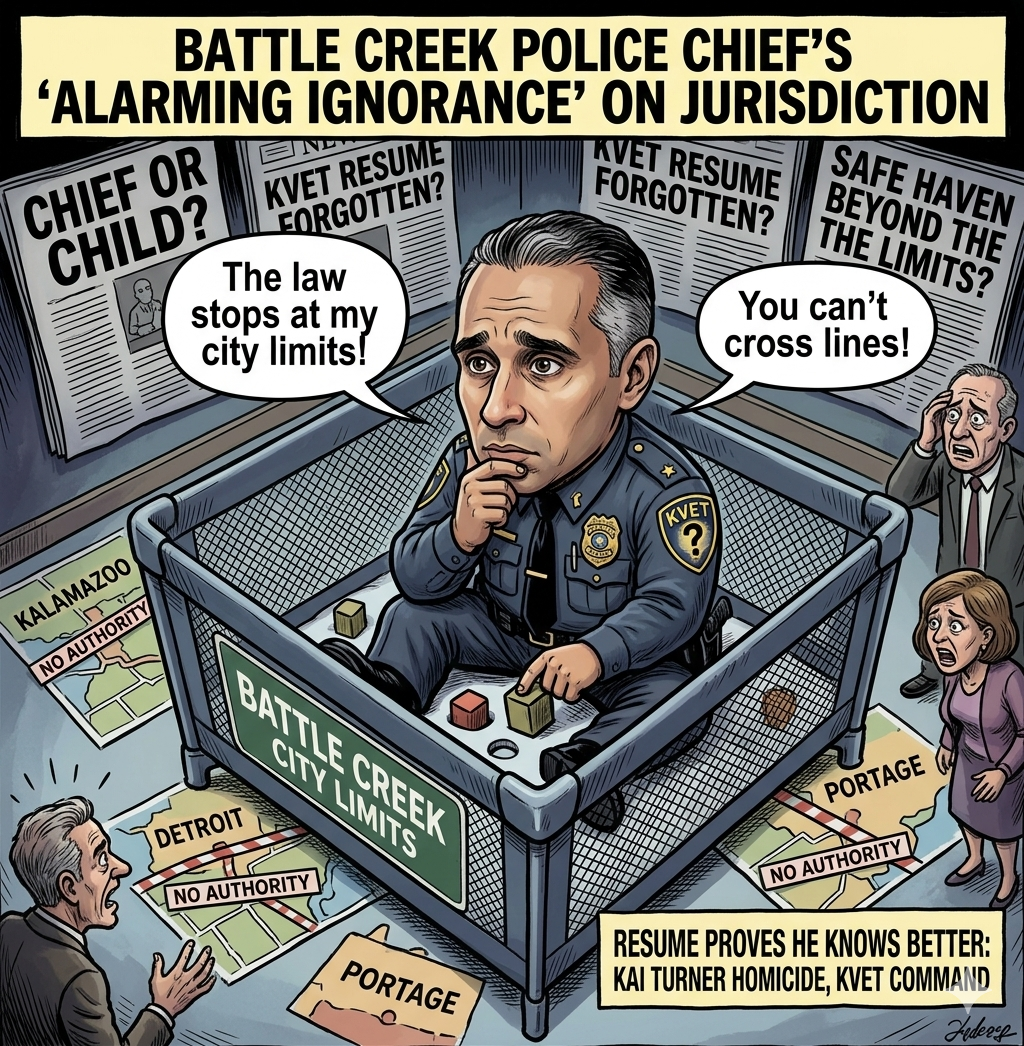
If you thought your police chief understood the law he’s sworn to enforce, think again. Battle Creek Police Chief Shannon Bagley didn’t just misspeak—he contradicted his own department’s written policy in a way that should concern every resident in this city. When asked about the alleged multi-jurisdictional sextortion ring tied to former MSP Detective Kris Douponce, Bagley claimed he had no knowledge and, more importantly, no authority outside the city limits of Battle Creek.
That statement doesn’t just sound wrong—it is wrong, and the proof is sitting in black and white under Battle Creek Police Department Policy 100: Law Enforcement Authority.
His Own Policy Says He’s Wrong
Let’s break it down:
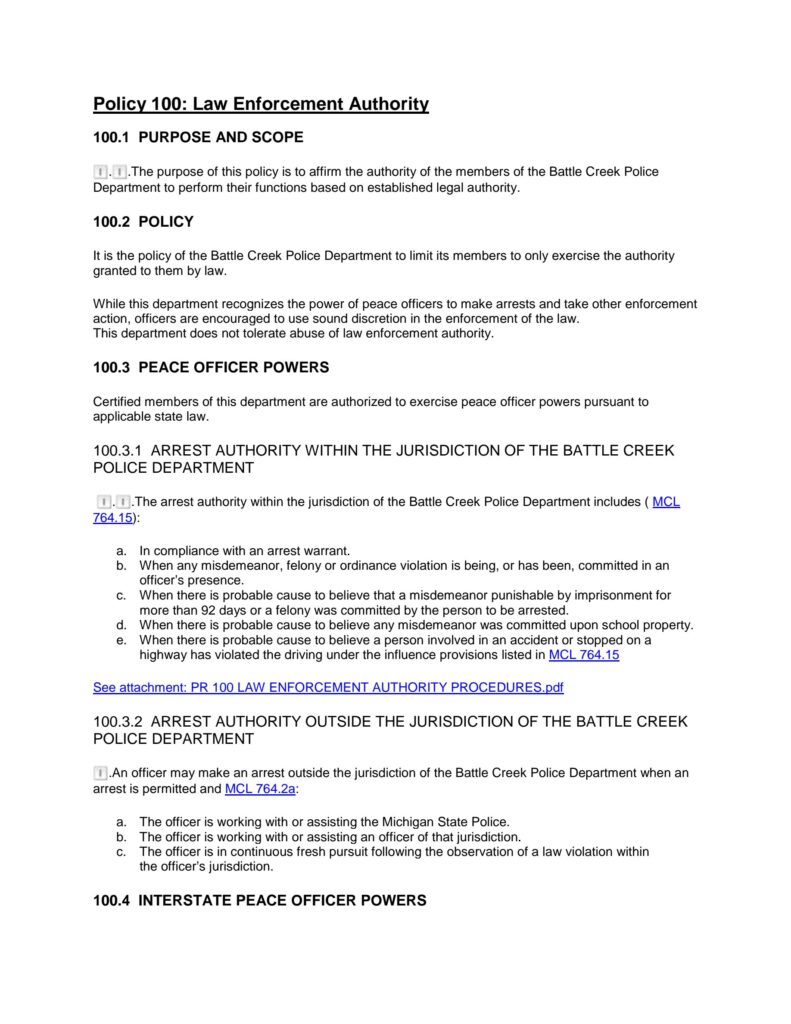
Under Section 100.3 – Peace Officer Powers, the policy clearly states that certified officers are authorized to exercise powers pursuant to applicable state law—not city limits. State law. That alone should end the debate.
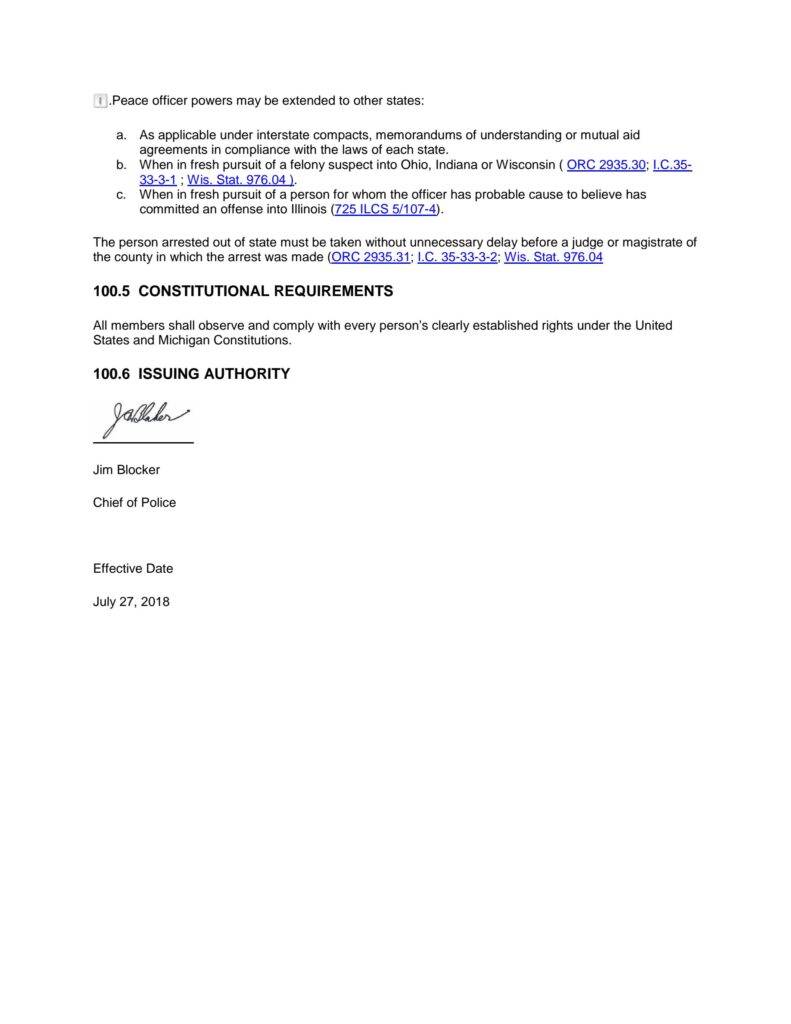
But it gets worse… Under Section 100.3.2 – Arrest Authority Outside the Jurisdiction, the policy explicitly lays out when officers can act beyond Battle Creek

|
Dabble VoIP
Business phone for less |
Get Started - mention FAFO for 10% off |
•When assisting Michigan State Police
•When assisting another jurisdiction
•During continuous fresh pursuit after observing a crime
In other words, Bagley’s own department acknowledges what every competent officer already knows: jurisdiction is not a force field. It is flexible, cooperative, and built on reciprocity between agencies.
So when Bagley tells the public he “can’t do anything” outside Battle Creek, he’s not just wrong—he’s contradicting the very rules his officers are expected to follow.
This Isn’t Just Theory — He’s Done It Himself
This is where it really falls apart.
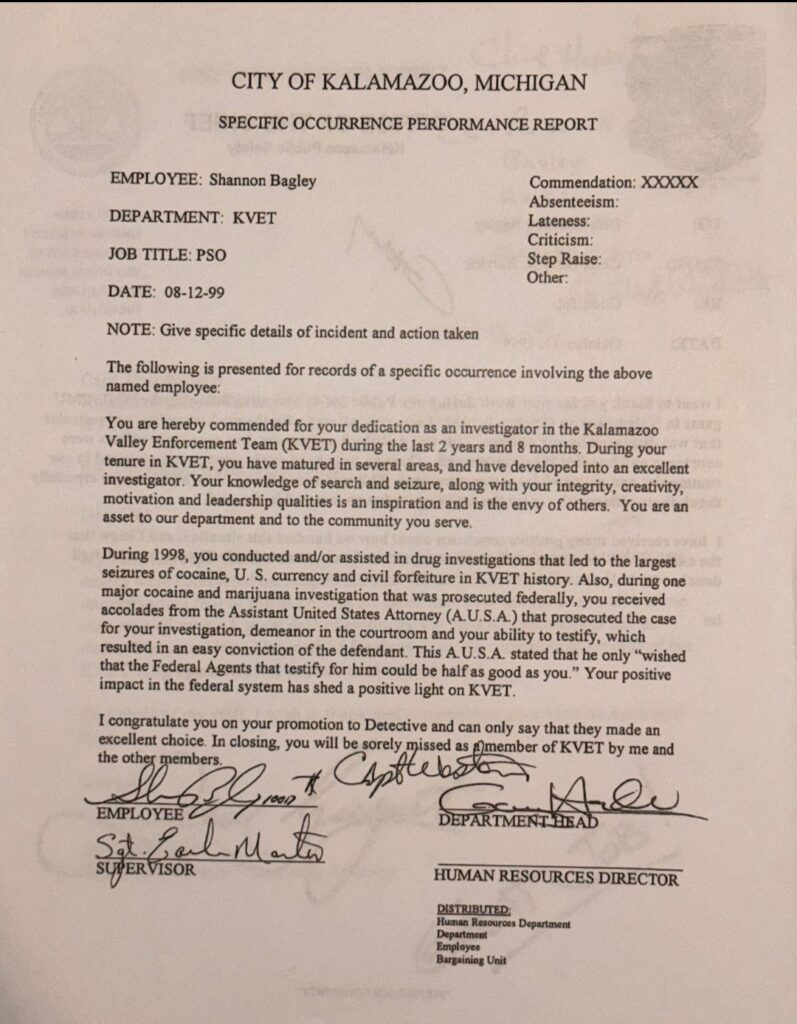
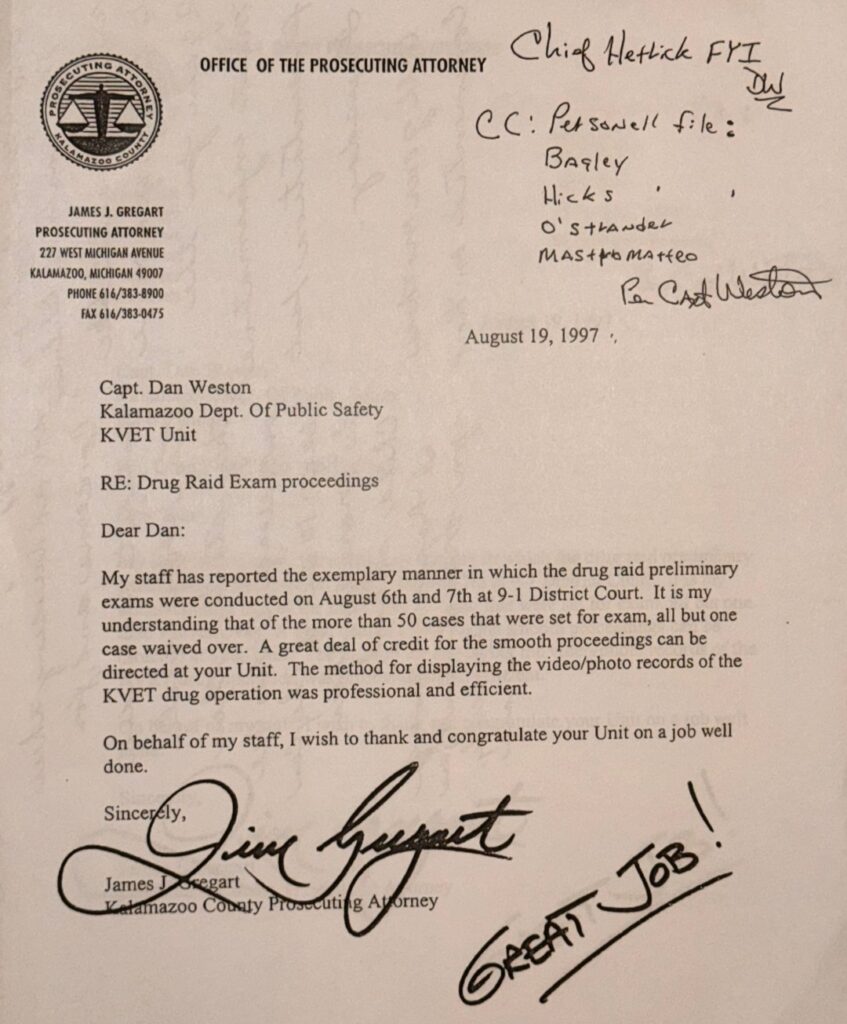
Bagley isn’t some rookie misunderstanding the law. His background includes serving as Captain/Commander of the Kalamazoo Valley Enforcement Team (KVET)—a multi-jurisdictional task force covering: Portage, Kalamazoo Township, Schoolcraft, Vicksburg & The City of Kalamazoo.

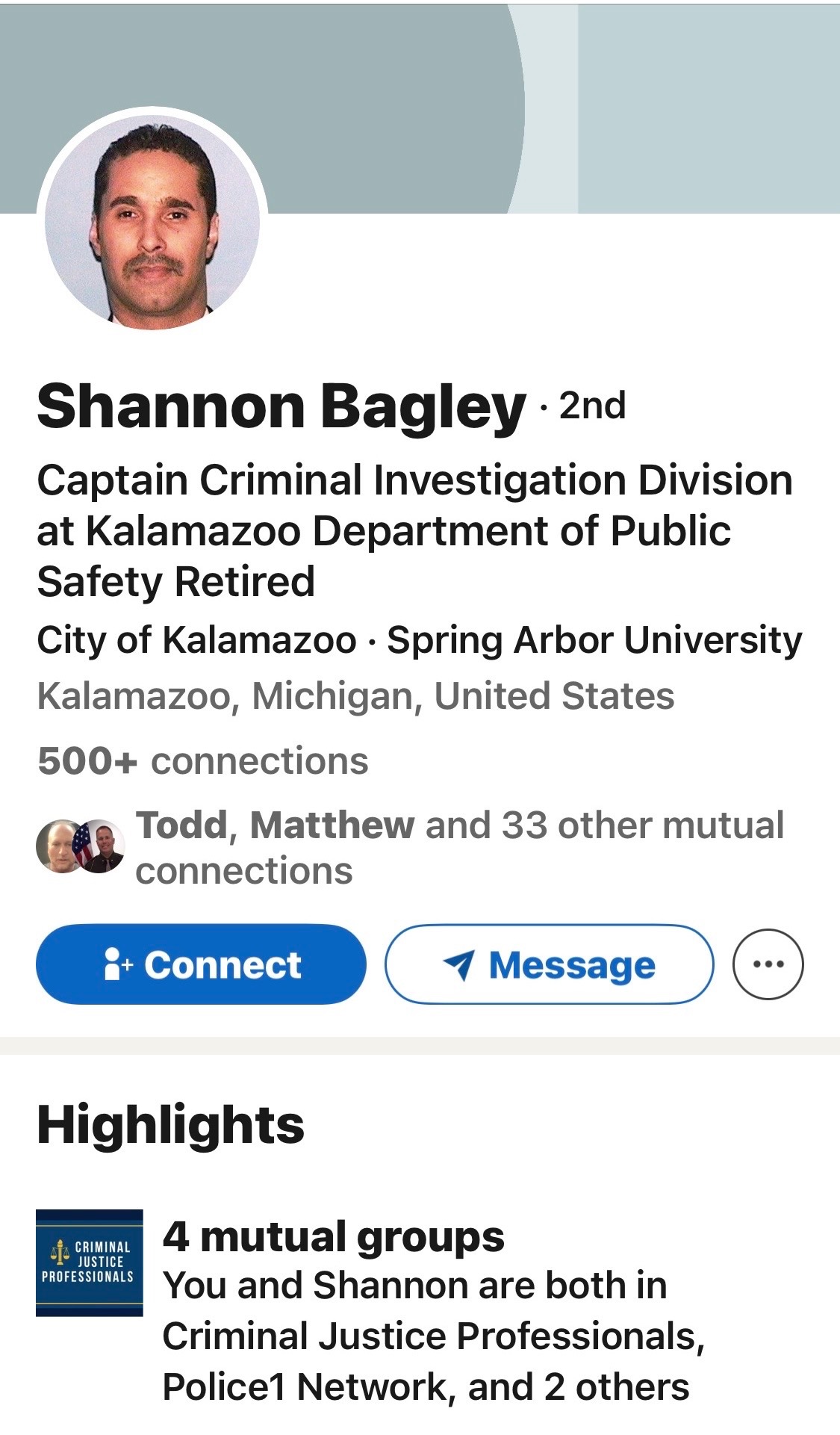

That entire role depended on cross-jurisdictional authority. He worked these cases. He led these operations. He coordinated across agencies. And if that somehow wasn’t enough, there’s a real-world example:
In the Kai Turner homicide, a suspect was arrested in Detroit by Battle Creek Police.
So which is it? Because you don’t get to build a career on multi-agency enforcement and then turn around and tell the public your hands are tied at the city line.
What He’s Saying Is Dangerous
|
Need I.T. Support?
Express IT Solutions — Fast & Reliable. |



|
Get Support |
Let’s strip away the politics and call this what it is.
If Bagley’s statement were true, it would mean: Someone could commit a crime in Battle Creek, drive a few miles into another jurisdiction, and suddenly law enforcement can’t touch them.
That’s not just false—it’s absurd.
Michigan law (including statutes like MCL 764.15 and 764.2a) and standard policing practices make it clear that officers can act beyond their home jurisdiction under defined circumstances. That’s how modern policing works. That’s how it has always worked. And Bagley knows that.
So What’s Really Going On?
At this point, there are only a few possibilities:
•He doesn’t understand his own department’s policies
•He’s forgotten the laws he used to enforce
•Or he’s intentionally downplaying authority to avoid involvement a.k.a. cover-up.
None of those are acceptable.
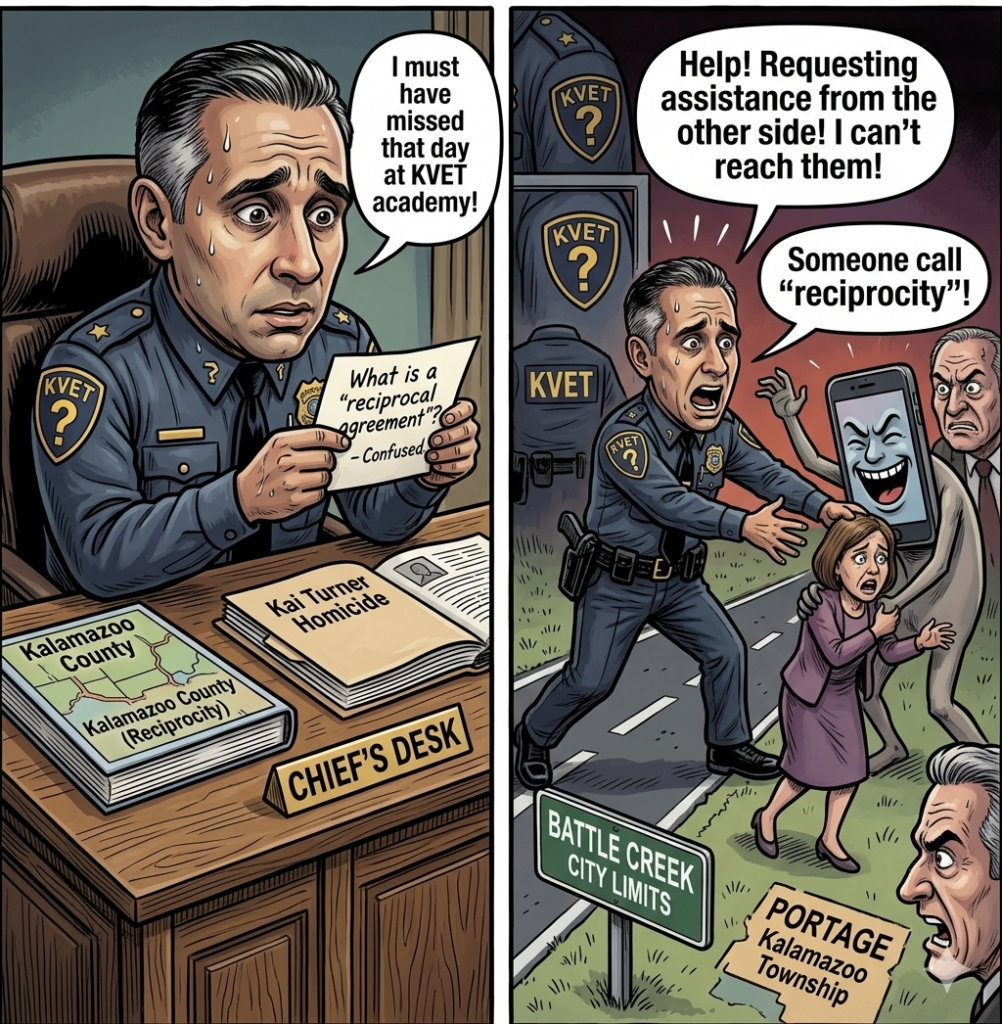
This isn’t some obscure legal nuance. This is basic, foundational law enforcement knowledge—the kind expected of any officer, let alone a chief. And let’s not ignore the bigger picture: Bagley has worked alongside Tim Bourgeois, Executive Director of MCOLES, and previously served as Police Chief of Kalamazoo Township. This is someone with deep institutional experience. Which makes his statement even harder to excuse. This isn’t just a bad quote or catching someone off guard, it’s a credibility problem.
When the Chief of Police publicly contradicts:
•Michigan law
•His own department policy
•His own professional history
…you don’t just have a communication issue. You have a leadership failure.
Battle Creek residents deserve a police chief who understands the authority he holds, the laws he enforces, and the responsibility that comes with both.
Right now, based on his own words—and his own policy—Shannon Bagley isn’t meeting that standard.